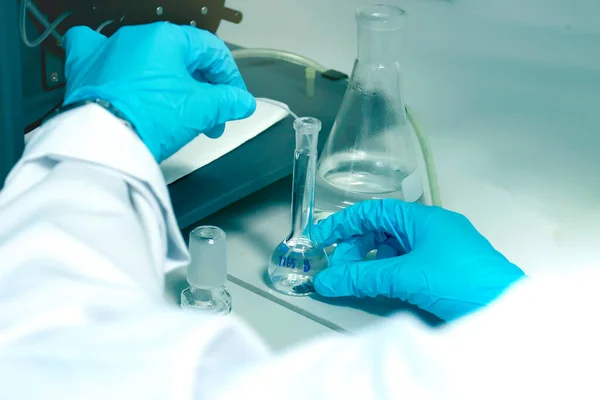
When you start researching water quality, it’s easy to feel overwhelmed by the technical jargon, varying guidelines, and the sheer amount of information available. Whether you are living in a century-old home, planning a real estate purchase, or simply concerned about your family’s daily health, questions about lead testing are common and completely valid.
To help you get the answers you need, we have compiled the most frequently asked questions about testing your water. From understanding the collection process to decoding your results, this guide provides the clarity you need to take control of your tap water.
1. Do I need to test my water if I have a water softener?
Yes. It is a common misconception that a water softener or reverse osmosis system automatically removes all lead. While some high-end treatment systems are effective at reducing lead levels, others are not. Furthermore, if your system is not maintained correctly, it can actually become a site where lead accumulates. Always test the water before and after your treatment system to ensure it is performing as expected.
2. Can I use a regular kitchen cup to collect my water sample?
No, and this is a critical point. Laboratory testing requires a sterile, contaminant-free container. If you use a glass from your cupboard, you risk cross-contamination, which can lead to a false positive. Laboratories provide specific, sterile bottles as part of their testing kits. Using these bottles is the only way to ensure that your sample accurately reflects the water chemistry inside your pipes, rather than residue from your dish soap or old kitchenware. For a deeper dive into the technical precision required for these samples, you can read more about how lead testing works.
3. If my neighbors test their water, is that enough for me?
Not necessarily. While testing in your neighborhood can provide a general idea of the quality of the municipal supply, it doesn’t tell you anything about your specific plumbing. Lead contamination in drinking water is almost always an “internal” issue caused by the specific pipes, solder, and fixtures inside your home. Even if your neighbor’s pipes are brand new, yours might be decades old. Understanding why people test water is about realizing that your plumbing is a unique system that requires its own assessment.
4. What is the difference between a “first-draw” and a “flushed” sample?
- First-draw: This is the water that has been sitting stagnant in your pipes for at least six hours. It represents the “worst-case scenario” for lead levels. This is the standard test for identifying if your internal plumbing is a source of lead.
- Flushed: This sample is taken after you run the water for several minutes. It generally represents the water arriving from the main municipal supply line. By comparing the two, you can determine if the lead is originating in your house or further upstream in the city’s infrastructure.
5. My house is newer. Do I still need to worry about lead?
While the risk is significantly lower in homes built after 1986 (when the use of lead solder was banned) and certainly after 2014 (when lead-free laws for fixtures became stricter), it is not zero. Even in modern homes, some brass faucets and valves can still contain small amounts of lead. If you have any doubt, testing your water is a relatively inexpensive way to remove the guesswork, especially if you are living in a lead in older buildings or a neighborhood with older underground infrastructure.
6. If my test comes back positive, do I need to stop drinking the water immediately?
If you receive a result above the Environmental Protection Agency (EPA) action level of 15 parts per billion (ppb), you should take steps to reduce your exposure. This does not mean your water is immediately toxic, but it does mean you should change how you use it. Use a certified water filter (NSF/ANSI Standard 53), always draw water from the cold line, and flush your taps if they haven’t been used for several hours. Consult with your local health department or a professional if you have specific concerns about your family’s exposure.
7. How do I know if my “local” infrastructure is the problem?
Many local water utilities maintain maps of known lead service lines. Contact your water department or visit their website to see if they have a registry of pipes in your area. If you find out that your street is serviced by old lead piping, you should contact them to ask about replacement programs. Many municipalities offer “local” programs to assist homeowners with the cost of upgrading these service lines. You can often find links to these specific local agencies through our resources page.
8. Are home test kits accurate enough?
Home test kits are useful for quick, basic screening. If you just want to know if there is a gross contamination issue, they can be helpful. However, they rarely provide the precise, numerical parts-per-billion (ppb) data that you get from an EPA-certified laboratory. If you need a definitive answer to help you decide on an expensive plumbing project, professional laboratory testing is the only way to get reliable, actionable data.
9. Is boiling water an effective way to remove lead?
No. Boiling water is a great way to kill bacteria, but it has no effect on heavy metals like lead. In fact, because some of the water evaporates during the boiling process, it can actually concentrate the lead, making the remaining water more contaminated than it was before you boiled it.
10. Where can I find more help?
If you have questions that aren’t addressed here, or if you are looking for specific guidance on how to navigate your test results, browse our blog for deeper dives into common water safety topics. We regularly update our content to cover everything from filtration technologies to interpreting laboratory reports. If you are ever feeling lost, our FAQ section is always the first place to look for concise answers to the most common community concerns.
Taking the Next Step
The most important thing to remember is that you are in control. Testing is not meant to be a scary process; it is a standard tool for responsible home maintenance. By understanding the basics, you move from being an anxious observer to an informed resident.
If you have specific concerns or if you’ve already received results that seem confusing, don’t hesitate to reach out to the laboratory that processed your sample or your local water utility. They are often the best sources for context on your home’s water quality and the infrastructure of your area.
Disclaimer: This information is for educational purposes. For official health guidance or if you suspect you have been exposed to high levels of lead, please contact your healthcare provider or your local health department.
Do you have any other questions about the testing process that we haven’t covered here, or are you currently preparing to collect your first water sample?