Home Lead Water Testing vs. Laboratory Testing
When you decide it is time to assess the quality of your drinking water, the sheer variety of options available can be overwhelming. From simple, over-the-counter test strips to comprehensive professional services, there is a wide spectrum of ways to test your water.
While every method aims to provide you with information, they do not offer the same level of accuracy, reliability, or actionable data. Choosing the right testing approach requires understanding the trade-offs between speed, convenience, and scientific precision.
The Rise of DIY Home Test Kits
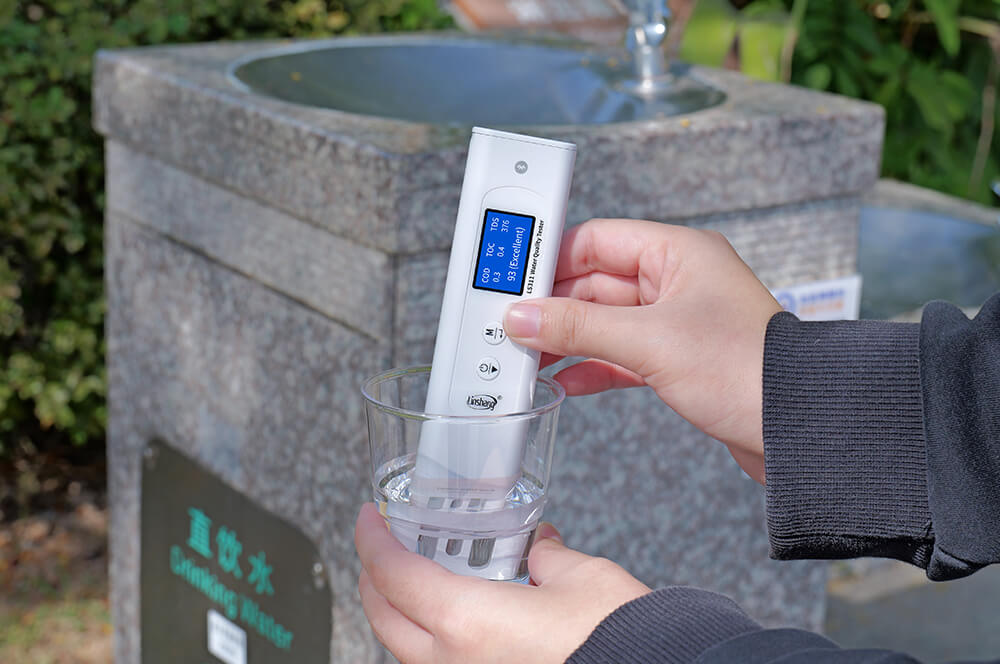
Home test kits have become increasingly popular due to their accessibility. You can find them at most major hardware stores or order them online. These kits typically function through color-changing strips or small vials that react to the presence of lead.
The Advantages
The primary benefit of a home kit is immediate gratification. You don’t have to wait for mail-in processing, deal with shipping labels, or worry about sample expiration. For a homeowner who just wants a quick, general “yes/no” answer, these kits can provide a baseline screening.
The Limitations
The most significant downside to DIY testing is the lack of precision. Home kits are often “qualitative,” meaning they tell you if lead is present, but they often struggle to provide an accurate “quantitative” measurement (a specific number in parts per billion). If a home kit comes back positive, you are almost always going to need to follow up with a professional lab anyway to determine exactly how much lead is in the water.
Furthermore, home kits can be prone to human error. If the instructions for collection aren’t followed perfectly, or if the test strip is left in the water for a second too long, it can lead to false positives or false negatives.
The Gold Standard: Laboratory Testing
For those who prioritize accuracy and the need for actionable data, sending a sample to an EPA-certified laboratory is the only way to go. This process involves collecting a water sample in a sterile container and shipping it to a facility equipped with high-precision instrumentation, such as ICP-MS (Inductively Coupled Plasma Mass Spectrometry).
Why Lab Results Are Different
Labs provide a definitive measurement. They can tell you exactly how many parts per billion (ppb) of lead are present. This level of detail is crucial. If your test results are near or above the EPA’s action level of 15 ppb, that specific number allows you to make informed decisions about whether you need a certified filtration system or a full-scale plumbing replacement.
Understanding how lead testing works in a lab environment highlights the care taken to avoid cross-contamination. Lab-grade testing follows strict protocols for sample storage, temperature control, and handling, which are impossible to replicate in a kitchen sink setting.
When to Choose Which Method
Not every situation requires a $200 lab analysis, but not every situation is served by a $15 kit either.
- Choose a home kit if: You are doing a quick check of a new faucet, you have already had your water tested by a lab recently and just want a low-cost spot check, or you are simply curious about your water quality without a specific health-related concern.
- Choose a laboratory test if: You are living in a historic home, you are concerned about your children’s health, you have noticed water quality issues, or you are looking for evidence to present to a landlord or a water utility. If you are interested in why people feel the need to move beyond DIY methods, our FAQ section outlines the common scenarios that warrant professional verification.
The Importance of Collection Protocol
Regardless of whether you choose a DIY kit or a laboratory, the method of collection is just as important as the testing technology. Lead contamination is often “slug” based—meaning lead particles may be concentrated in specific segments of water.
If you don’t follow the “first-draw” protocol (collecting the first water out of the tap after six or more hours of dormancy), you might miss the lead entirely. Whether you are using a cheap strip or a high-end lab, the results are only as good as the sample you collect. If you are living in an older property, you should be particularly rigorous about this, as lead in older buildings is a well-documented risk that demands the most accurate testing possible.
Navigating Your Resources
If you decide to go the professional route, how do you find a reputable lab? It can be intimidating, but there are many resources available to guide you. Look for labs that are state-certified for drinking water analysis. These facilities must undergo regular proficiency testing and audits, ensuring that their results are recognized by regulatory agencies.
Strengthening Your Local Profile
One of the most valuable things you can do for your community is to be informed about the specific water issues in your area. Why people test water varies from person to person, but when we share our results or work with local utilities, we create a better map of the “local” water landscape. If you have concerns about your municipal supply, reach out to your local water authority; they often have specific, locally-tailored instructions on how to submit samples for municipal testing, which may even be subsidized or free.
Final Thoughts
At the end of the day, the “best” test is the one that gets done. If you are paralyzed by the choice between a kit and a lab, start with the most reliable option you can reasonably afford. Your health and peace of mind are the ultimate goals.
If you are just beginning to investigate the water in your home, consider browsing our blog for more insights into how lead affects our living spaces. Whether you opt for the convenience of a DIY test or the scientific certainty of a professional laboratory, the fact that you are testing at all is a positive step toward a safer home.
Disclaimer: This guide provides general information on water testing methods and is not a substitute for professional environmental or medical guidance. For information on specific water quality standards, refer to the EPA’s official guidelines.
Are you leaning toward a DIY testing approach for convenience, or are you looking for the high-precision data that only a laboratory can provide?