In an era where we have instant access to information, it is natural to want the same speed for our home safety checks. When you are worried about the water coming out of your kitchen tap, an at-home lead test kit seems like the perfect solution: it’s affordable, available at your local hardware store, and promises results in a matter of minutes. But while these kits offer convenience, the question of their accuracy is one every homeowner should consider carefully.
When it comes to something as critical as lead exposure, “good enough” might not be good enough. To make an informed decision about your family’s health, it is essential to understand the limitations of DIY testing compared to professional analysis.
The Reality of “Screening” vs. “Testing”
The most important distinction to make is that most at-home kits are designed as screening tools, not definitive diagnostic tests. They are built to provide a qualitative result—essentially telling you if lead is present above a certain threshold, which is typically set at the EPA’s action level of 15 parts per billion (ppb).
While this might sound useful, it is often too broad for the average homeowner. Because lead is a potent neurotoxin and there is no officially recognized “safe” level of lead in drinking water, knowing only that your water is “above or below 15 ppb” leaves a significant amount of ambiguity. If a kit indicates your water is “safe,” it might still contain 10 ppb of lead—a level that isn’t quite at the regulatory threshold but is still a concern for many parents.
If you are curious about why more people are moving toward formal testing, understanding why people test water often highlights the need for data that a simple test strip simply cannot provide.
Understanding the Factors That Influence Accuracy
Even if you purchase a high-quality kit, several variables can affect the accuracy of your results.
1. The Human Element
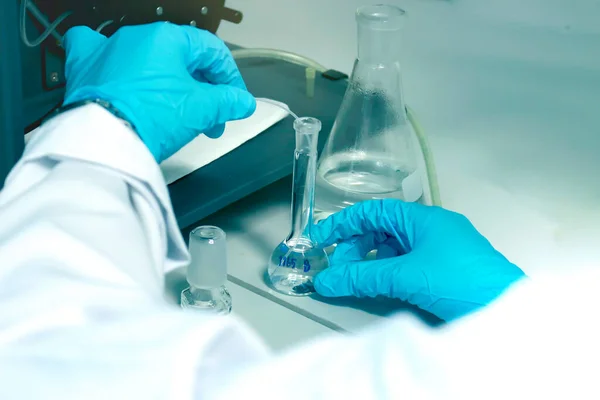
Laboratory testing uses precise equipment, temperature-controlled environments, and standardized procedures. When you hire independent lead testing services in Manhattan, your sample is evaluated using sensitive analytical instruments that eliminate the ambiguity of DIY color charts. When you test at home, you are performing a mini-chemistry experiment in your kitchen. Factors like water temperature, the presence of other minerals (like iron or copper), and the exact amount of time the test strip is submerged can all skew the result.
2. The Sensitivity Threshold
Many home kits have a “detection limit.” If your lead levels are, for example, 5 ppb, a kit designed to only detect 15 ppb or higher will return a negative result. This creates a “false sense of security,” leading homeowners to believe their water is lead-free when, in reality, low-level contamination may still be present.
3. Collection Timing
The accuracy of any test, regardless of the kit’s quality, depends entirely on the collection method. If you run the tap for several minutes before collecting your sample, you are likely flushing out the lead that has been sitting in your pipes. To get a true sense of your exposure, you must follow the correct protocol, which involves a “first-draw” sample. If you need a refresher on the science behind this process, you can read more about how lead testing works.
When Is an At-Home Kit Appropriate?
Despite their limitations, home kits do have a place in your maintenance toolkit. They can be excellent for:
- A “Quick Check”: If you have just installed a new faucet and want to ensure it is not leaching lead, a kit can provide a quick confirmation.
- Budget-Conscious Screening: If you are on a strict budget, a screening test is better than no test at all. If it comes back positive, you know immediately that you need to take further action.
- Checking Filter Performance: If you already have a lead-reducing filter installed, a simple home test can give you a rough idea of whether the filter is still functioning or if the cartridge needs replacing.
The Case for Professional Lab Testing
If you live in a home built before the 1980s, the stakes are higher. Lead in older buildings is a well-documented issue, and in these cases, rely on professional laboratory analysis. Labs provide a specific numerical value (e.g., 8.2 ppb), which allows you to track changes over time and make an informed decision on whether to replace your plumbing or install a point-of-use filtration system.
For those looking for guidance on how to get started with a professional lab, our resources page connects you with the tools needed to find accredited testing facilities in your area.
Avoiding Common Pitfalls
If you are determined to use an at-home kit, keep these best practices in mind to maximize your accuracy:
- Read the Expiration Date: Chemical reagents in test kits degrade over time. Never use an expired kit.
- Follow the Instructions Exactly: Don’t guess on the timing. Use a stopwatch or your phone to ensure you are following the manufacturer’s protocol to the second.
- Cross-Reference: If your home kit returns a concerning result, don’t just replace your plumbing immediately. Contact a certified lab to confirm the findings with a professional test.
- Check for “Local” Advice: Sometimes, your local water utility provides information on the specific types of plumbing common in your area. This “local” context can help you decide whether a DIY kit is sufficient or if you need professional-grade verification.
Conclusion: Trust, but Verify
At-home lead test kits are helpful, low-cost screening tools, but they should be viewed as a starting point rather than a final answer. They are great for peace of mind when the levels are well below detection limits, but they lack the precision necessary for making significant home-improvement decisions.
If you are ever unsure about your results or if your home meets the risk criteria for lead exposure, do not hesitate to seek out professional testing. If you have lingering questions about what your results imply, our FAQ section covers common scenarios that many homeowners face when interpreting their water data.
Taking control of your water quality is one of the most proactive things you can do as a homeowner. Whether you start with a simple kit or go straight to the laboratory, testing your water is the only way to move from uncertainty to action.
Disclaimer: The information provided here is for educational purposes. For official water quality standards and health guidance, please visit the Environmental Protection Agency (EPA) or consult with your local health department.
Are you planning to test your water soon, or are you currently trying to interpret a set of results that you have already collected?