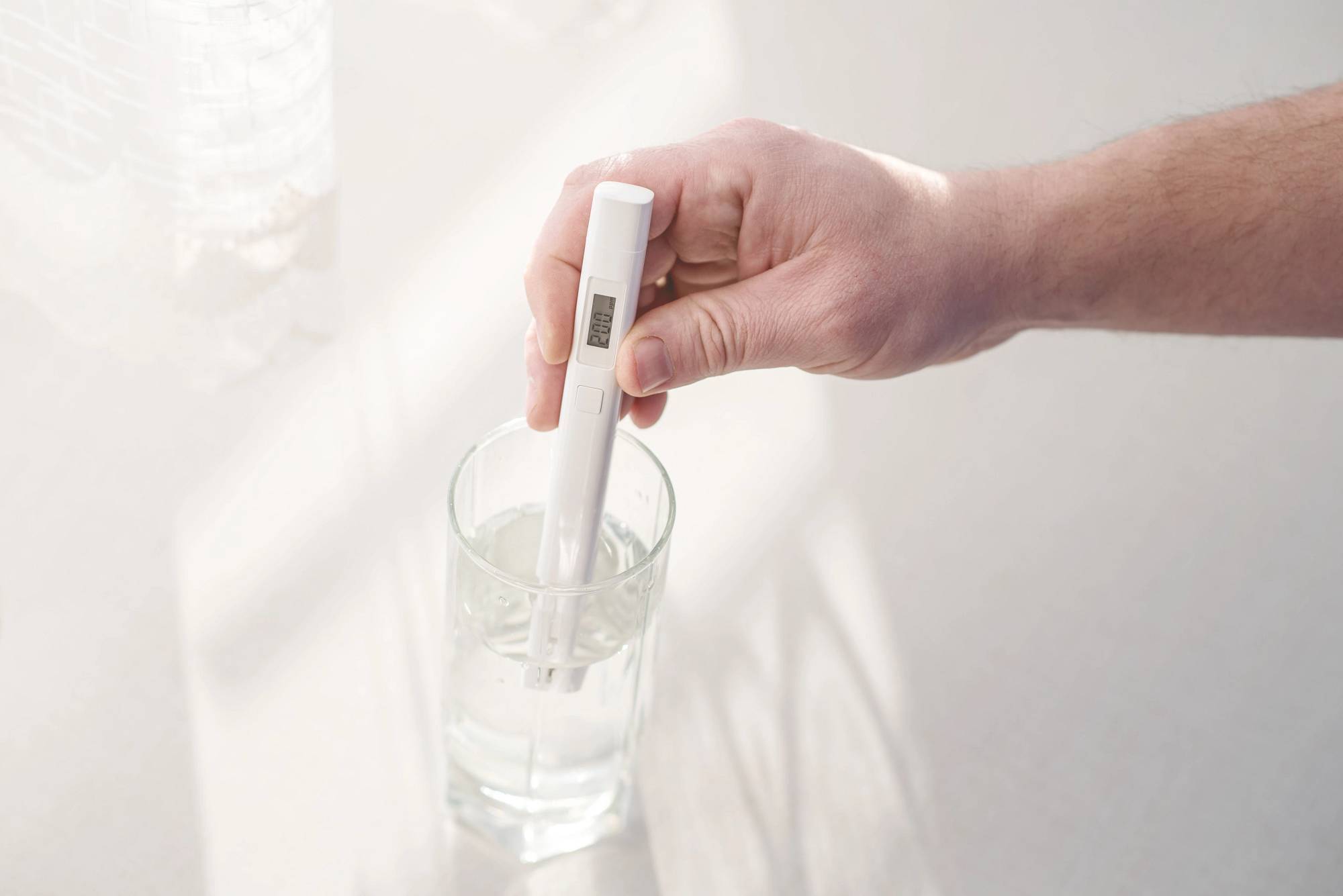
It is a common misconception that if your city’s water supply is safe, the water coming out of your kitchen faucet is also safe. While municipal water providers in cities like New York perform rigorous testing before water leaves the treatment plant, the journey to your tap—the “last mile”—is where the real risk of lead contamination begins.
Understanding how lead enters your water supply is essential for any homeowner or parent. It is not about the water source itself, but rather about the interaction between the water and the materials it encounters as it travels through aging infrastructure.
The Chemistry of Corrosion
Lead does not naturally occur in high concentrations in our reservoir systems. Instead, it leaches into the water through a process called corrosion.
Water is a solvent. Depending on its chemical composition—specifically its pH level and temperature—it can be corrosive. When water sits stagnant in pipes that contain lead, it slowly dissolves the metal. The longer the water sits, the more lead it absorbs. This is why “first-draw” water (water that has sat in your pipes overnight) is almost always the most contaminated.
The Three Primary Culprits
In older urban environments, there are three main ways lead finds its way into your glass:
1. The Service Line
The service line is the pipe that connects your building to the city water main under the street. In many older buildings, this pipe is made of lead. Because this pipe is buried underground and exposed to temperature fluctuations, it is a constant, potential source of lead leaching into every drop of water that enters your home.
2. Internal Plumbing
Even if the city replaces the main service line, the internal pipes within your walls may still be problematic. Buildings constructed before the mid-1980s often used lead-based solder to join copper pipes. Over decades, this solder can degrade, especially if the building’s water chemistry isn’t perfectly balanced.
3. Faucets and Fixtures
Even in relatively new buildings, lead can be an issue. Until recently, many brass or chrome-plated faucets and fittings contained lead. As these fixtures age and the protective interior coating wears away, lead can be released directly into the water as it passes through the faucet.
Why “First-Draw” Matters
Because lead leaching is a time-dependent process, you can often mitigate the risk by understanding your building’s usage patterns.
If you are curious about whether your home’s plumbing is contributing to lead levels, learning about how lead testing works is your best first step. The testing process is designed to capture that “first-draw” water, which is the water that has been in contact with your pipes for the longest duration. By testing this water, you are essentially stress-testing your plumbing to see if it meets safety standards.
How to Protect Your Household
You cannot smell, taste, or see lead, which is exactly why why people test water is a common question among health-conscious families. If you are concerned about your tap water, keep these simple, effective habits in mind:
- Flush the Pipes: If the water has been sitting for several hours, run the cold tap for at least one to two minutes until it becomes as cold as it can get. This flushes the water that has been in contact with your pipes and brings fresh water from the main line into your home.
- Use Cold Water Only: Never use water from the hot water tap for drinking, cooking, or making infant formula. Hot water is significantly more corrosive and dissolves lead much faster than cold water.
- Verify Your Filter: If you decide to use a filtration system, ensure it is specifically certified by the NSF International to reduce lead. Not every filter on the market is designed to catch heavy metals.
- Investigate Your Building: If you live in an older home, it is worth looking into the history of lead in older buildings to understand the likelihood of lead-containing materials in your specific neighborhood.
Take Control of Your Water Quality
You are the primary advocate for your family’s health. If you are unsure about the quality of the water in your apartment or home, there is no reason to guess. Professional testing provides the objective data you need to decide if additional steps, like filtration or plumbing repairs, are necessary.
For more information on the process, you can browse our FAQ page or explore our resources section to find out more about local water safety standards. By shifting your perspective on water quality from an afterthought to a priority, you can rest easy knowing you’ve done everything in your power to provide a safe, healthy environment for your family.
Are you aware of the age of the plumbing in your current home, or have you ever had your tap water professionally tested?