For many, owning or renting a brownstone in Brooklyn is the ultimate NYC dream. From the tree-lined streets of Park Slope to the historic charm of Bed-Stuy, these architectural gems offer character that modern high-rises simply cannot replicate. However, the same history that makes these homes beautiful—many were built in the late 19th or early 20th centuries—also means they often house aging infrastructure.
If you are living in a historic Brooklyn brownstone, lead exposure is a topic that should be on your radar. While New York City’s reservoir water is high-quality, the “last mile” of your plumbing can be a different story.
The Brownstone Reality: Why Your Pipes Matter
In the context of NYC water, the supply itself is generally lead-free. The risk arises from the pipes inside your home and the service line connecting your brownstone to the city’s water main.
Many Brooklyn brownstones were constructed long before federal regulations banned lead in plumbing. Even if you have renovated your kitchen or bathrooms, the risers within your walls or the main service line buried under your sidewalk may still contain lead components or lead-based solder. When water sits in these pipes—particularly overnight—it can leach lead into your tap water.
Understanding lead in older buildings is the first step toward safeguarding your family. Because lead cannot be tasted, smelled, or seen, many residents choose to test their water for peace of mind, especially if they have young children or are planning renovations that might disturb old plumbing.
The Process: How to Test Your Water Correctly
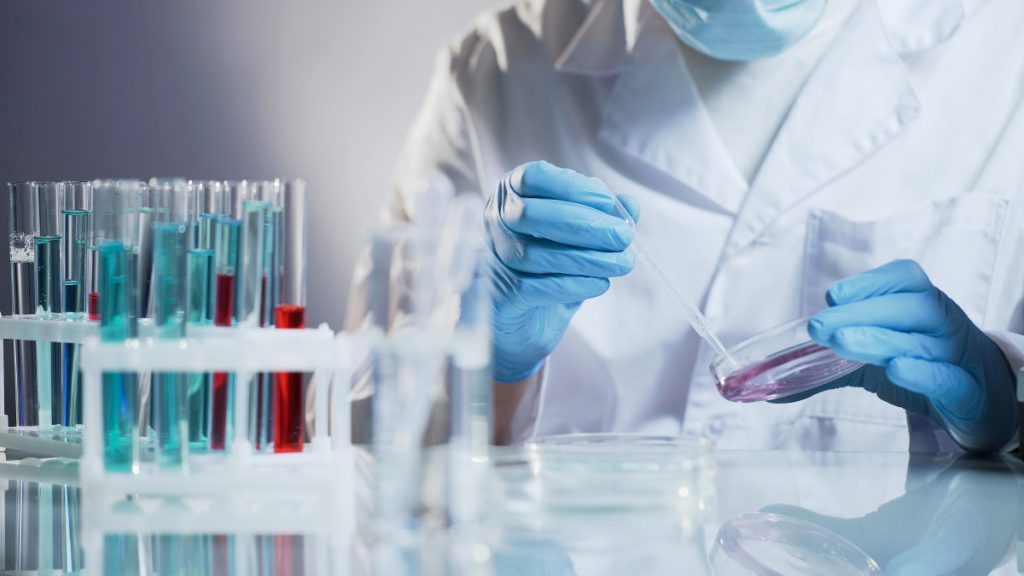
If you are concerned about your water quality, do not rely on guesses. Testing is a straightforward, reliable way to determine if your specific tap is delivering clean water.
1. Choose the Right Method
You have a few options for testing, but they are not all created equal.
- DIY Kits: While hardware store test strips exist, they often lack the precision required to detect the low, dangerous levels of lead that are a concern for children.
- Professional Lab Testing: For the most accurate and actionable results, always use a certified laboratory. Labs provide numerical results in parts per billion (ppb), which gives you a clear picture of whether your water exceeds safety thresholds.
- NYC DEP Kits: The city does provide free test kits to residents. You can request these by calling 311 or using the NYC Department of Environmental Protection website.
2. The “First-Draw” Technique
To get the most accurate sample, you need to capture water that has been in contact with your pipes for a significant amount of time.
- The Six-Hour Rule: Do not use the tap for at least six hours (the morning is usually the best time).
- The Collection: Place the collection bottle under the cold-water faucet, turn it on, and fill it to the designated line.
- The “Flush” Sample: Some tests require a second, “flushed” sample taken after the water has run for 30–60 seconds, which helps the lab determine if the lead is coming from your household plumbing or further out in the city service line.
For more technical guidance on the sampling process, check out our guide on how lead testing works.
What If Your Results Are Elevated?
Finding lead in your water can be stressful, but it is not a reason to panic. There are immediate, effective ways to protect your household:
- Use Cold Water Only: Never use water from the hot water tap for cooking or preparing infant formula. Heat accelerates the leaching of lead from pipes and fixtures.
- Flush Your Pipes: If the water has been sitting for several hours, run your cold water tap for one to two minutes until it becomes noticeably colder. This flushes the water that has been sitting in your pipes.
- Filter for Lead: If you want an extra layer of protection, ensure your water filter is specifically certified by the NSF International to reduce lead.
- Check Your Service Line: You can check the NYC Service Line Map to see if your property is registered as having a lead service line. In some cases, the city offers programs to help replace these lines.
Why Proactive Testing is Essential
Many Brooklynites find that testing water becomes a routine part of homeownership, similar to checking smoke detectors or changing air filters. Whether you are a parent or simply a health-conscious tenant, knowing what is in your water empowers you to make informed decisions for your living space.
If you are navigating this for the first time, our FAQ page covers common concerns about sample collection and results, while our resources section provides links to citywide programs and further educational materials.
Living in a Brooklyn brownstone is a privilege, but it comes with the responsibility of maintaining an aging home. By taking the time to test your water, you ensure that your historic home remains a healthy place for you and your family to thrive.
Have you tested your tap water recently, or are you just beginning your journey to understanding your home’s water quality?