Whether you’ve just finished a complete gut renovation of your kitchen in Astoria or simply updated the bathroom fixtures in your Forest Hills home, you’ve likely invested time, money, and effort into improving your living space. However, many Queens homeowners overlook one hidden consequence of construction: the potential for lead contamination in their drinking water.
Disturbing pipes during renovation work—even minor plumbing adjustments—can dislodge microscopic lead particles that have settled over decades. This guide explains why this happens and how you can take proactive steps to keep your household water safe.
Why Renovation Can Increase Lead Risk
Lead in drinking water rarely comes from the city’s source; it usually enters through the “last mile” of your plumbing. If your home was built before 1986, it may contain lead service lines, lead-based solder, or older brass fixtures. Over time, these materials often develop a protective scale (a mineral coating) that keeps lead trapped inside the pipe walls.
Renovation work disrupts this balance:
- Physical Vibration: The simple act of sawing, hammering, or replacing pipes can vibrate the existing plumbing, causing that protective scale to crack and flake off.
- Water Shut-offs: When contractors turn the water supply on and off to perform work, the sudden change in water pressure can loosen sediment and lead particles that have been sitting in the pipes.
- New Fixture Instability: Even if you installed brand-new, lead-free faucets, the act of connecting them to older, existing pipes can create a new environment where lead is temporarily released.
These particles can accumulate in low-lying sections of pipes or behind your faucet aerators (those small mesh screens at the tip of your faucet), potentially leaching lead into your water for months after the construction dust has settled.
Immediate Steps After Construction
If you’ve recently completed plumbing or renovation work, don’t wait for symptoms or health scares to act. Follow these steps to minimize exposure:
- Clean Your Aerators: This is the easiest and most effective first step. Remove the aerator (the small screen) from every tap in your home used for drinking or cooking. Rinse them thoroughly under running water, or soak them in vinegar if you notice any sediment buildup. You will often be surprised by the debris trapped there.
- Whole-House Flushing: After the work is done—and before you use the water for drinking or cooking—perform a “whole-house flush.” Turn on all cold water faucets throughout your home, starting at the lowest level and working your way up. Let them run for at least 30 minutes. This helps clear out any debris dislodged by the renovation.
- Use Filters: If you are concerned about residual lead, use a water filter certified by the NSF/ANSI Standard 53 specifically for lead reduction. Keep the filter in place for at least six months following major plumbing work.
How to Properly Test Your Water
Visual clarity is not a test for safety. Because lead is colorless, odorless, and tasteless, the only way to know if your renovation disturbed lead particles is through professional laboratory testing.
- Wait for the Right Time: Do not test immediately after the work is completed. Wait for the dust to settle, both figuratively and literally.
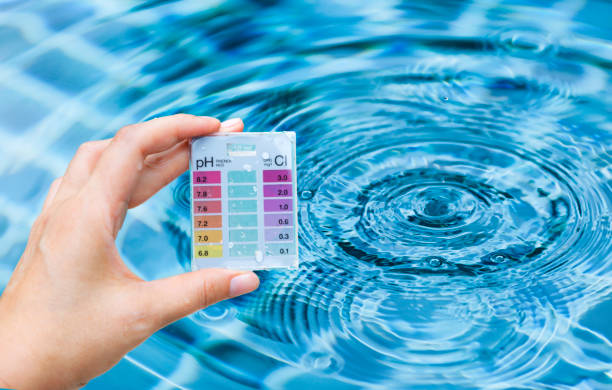
- Use Professional Labs: Avoid hardware-store “dip” strips; they are often too insensitive to catch the low-level lead contamination that is hazardous to children. Instead, order a professional kit that provides a clear, quantitative reading in parts per billion (ppb).
- Follow Sampling Protocols: Learn exactly how lead testing works. Most labs require a “first-draw” sample, meaning the water must sit stagnant in the pipes for at least six hours before it is collected. This captures the water that has been in contact with your pipes the longest, providing the most accurate “worst-case scenario” assessment.
When to Reach Out for Help
If you have young children, are pregnant, or are simply living in a home built before 1986, testing your water after a renovation isn’t paranoia—it’s smart homeownership.
If your results show lead levels above the safety limit, consult with a licensed plumber about replacing the remaining sections of your home’s original piping or verify if you have a lead service line that needs removal. You can also visit our FAQ section for quick answers to common questions about sampling, or explore our resources page for additional guidance on NYC water quality standards.
Renovation is meant to improve your home’s value and comfort. By taking a few extra steps to ensure your water quality remains high, you ensure that your beautiful new kitchen or bathroom remains a truly safe environment for your family.
Have you recently renovated your home, and did you take any precautions regarding your plumbing or water fixtures during the process?