Living in Manhattan offers a lifestyle like nowhere else—the energy, the culture, the proximity to world-class parks, and the historic charm of pre-war architecture. However, that historic charm often comes with a set of modern concerns for parents. Whether you are living in a classic brownstone in the Upper West Side, a pre-war walk-up in the East Village, or a converted loft in Tribeca, one question often lingers in the back of a parent’s mind: Is the water coming out of my kitchen faucet actually safe for my children to drink?
Lead poisoning remains a critical public health concern, particularly for children under the age of six, whose developing brains are highly sensitive to even trace amounts of lead exposure. While New York City’s municipal water supply is strictly monitored and generally lead-free when it leaves the reservoir, the journey it takes through older city infrastructure—and the internal plumbing of our own buildings—can introduce contaminants.
If you are a parent navigating the complexities of New York City apartment living, this guide will help you understand the risks, the realities, and the actionable steps you can take to ensure your family’s water is safe.
Understanding the “Why”: The Manhattan Plumbing Challenge
In many Manhattan apartments, the water itself isn’t the problem—the pipes are. A vast portion of our city’s housing stock was built before 1986, the year lead pipes and lead-based solder were finally banned in federal plumbing regulations.
Even if your landlord has renovated your specific unit, the building’s main service line—or the risers traveling through your walls—might still contain lead components. When water sits stagnant in these pipes overnight or during the workday, lead can leach into the supply.
For parents, it is helpful to understand the reasons why people test their water, ranging from simple peace of mind to managing specific health anxieties. Because lead is odorless, colorless, and tasteless, testing is the only way to confirm its presence. You cannot rely on the visual appearance of your water to determine if it is safe.
When Should You Be Concerned?
You don’t need to panic, but you should be proactive. There are specific scenarios where the risk of lead contamination increases:
- Older Buildings: If your building was constructed before the late 80s, the probability of lead plumbing components is significantly higher. You can often find information about lead in older buildings through city resources or by asking your building management for the latest local law compliance documentation.
- Recent Construction: Ironically, even if your building is new, some modern fixtures or leaded brass fittings can still contribute to low-level lead exposure.
- Visible Corrosion: If you see blue-green staining on your sinks or metallic flakes in your water, these can be signs of pipe corrosion, which may also indicate leaching.
How the Testing Process Works
Testing your water isn’t as daunting as filing your NYC taxes. It is a straightforward process, but it requires precision to get an accurate reading.
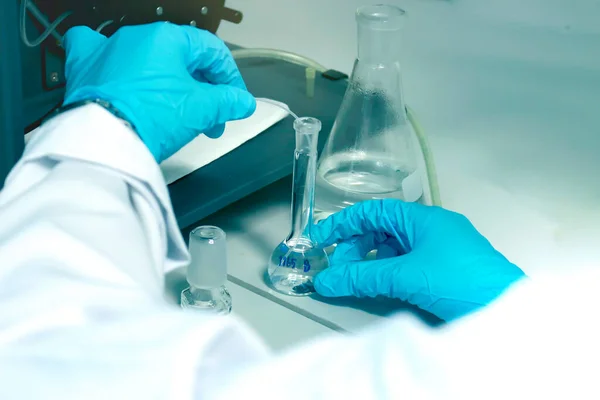
Essentially, how lead testing works involves capturing a “first-draw” sample. This means collecting water that has been sitting in your pipes for at least six hours (which is why most people prefer to do this early in the morning). By capturing the water that has been in contact with your pipes the longest, you are testing the “worst-case scenario” for your faucet.
Step-by-Step for Manhattan Parents:
- Request a Kit: Use a certified laboratory. Avoid cheap, DIY hardware store strips; they often lack the sensitivity required to detect the low, dangerous levels of lead that are still considered harmful to children.
- The Wait: Ensure no water has been used in the apartment for at least six hours. This is crucial.
- The Collection: Place the sample bottle under the cold water tap. Open the faucet and fill the container to the designated line.
- Documentation: Label the sample accurately, noting the location (kitchen vs. bathroom) and the time of collection.
- Submission: Get the sample to the lab promptly.
For more detailed guidance on the logistics of testing, you can review our frequently asked questions regarding collection protocols and turnaround times.
What If the Results Are Positive?
If your test results come back showing elevated lead levels, take a deep breath. A positive test result is not a reason to move out immediately, but it is a call to action.
- Flush the Pipes: If water has been sitting for several hours, run the tap for 30 to 60 seconds (or until the water feels noticeably colder) before using it for drinking, cooking, or making baby formula. This flushes out the water that has been in contact with the pipes.
- Use Cold Water Only: Never use water from the hot water tap for drinking or cooking. Hot water is more corrosive and dissolves lead more quickly than cold water.
- Consider a Filter: Not all water filters remove lead. Look for a pitcher or faucet-mounted filter specifically certified by the NSF International (National Sanitation Foundation) to remove lead. Make sure the packaging explicitly mentions “Lead Reduction.”
- Communicate with Management: If you are a renter, share your findings with your landlord. According to New York City local laws, landlords are required to maintain safe living conditions. Having documented test results provides the leverage you need to request plumbing repairs or a building-wide water assessment.
Resources for NYC Parents
Navigating the bureaucracy of New York City housing can be exhausting. Fortunately, there are several resources available to help Manhattan parents protect their households.
If you are looking for more information on municipal guidelines or how to interpret lab results, visit our resources page for a curated list of links and guides. Additionally, the NYC Department of Environmental Protection (DEP) offers free water testing kits for residents, though you may prefer a private lab for faster turnaround times or more comprehensive analysis.
Final Thoughts
As parents in Manhattan, we are constantly making decisions to ensure the health and safety of our children—from choosing the right pediatrician to navigating the competitive preschool admissions process. Testing your water for lead is simply another layer of that diligence.
It is an empowering step. Instead of worrying about what might be in your pipes, you are replacing uncertainty with facts. By testing your water, you are taking control of your family’s environment, ensuring that the water you use to hydrate, cook, and grow your children is as clean as it can be.
If you’re ready to get started, reach out to our team today to learn more about our testing services or to clear up any lingering questions about your home’s water quality. Here’s to a safer, healthier home for your family in the heart of the city.